
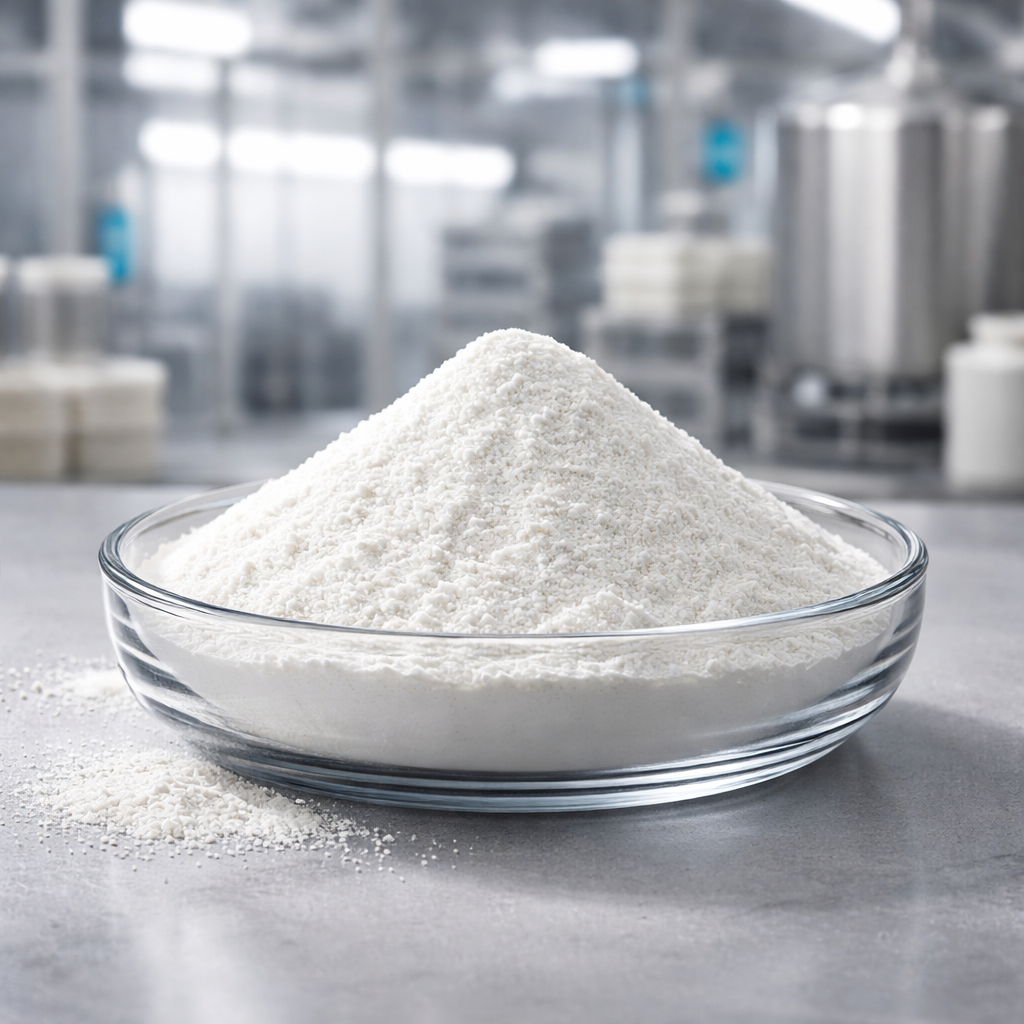
Starch: Properties, Uses, Applications, and Industrial Importance
Starch is one of the most widely used natural polymers in the world, playing a critical role across the food, pharmaceutical, paper, textile, adhesive, and chemical industries. Derived mainly from plant sources such as corn (maize), potato, cassava (tapioca), wheat, and rice, starch is valued for its availability, renewability, versatility, and cost-effectiveness. Due to its unique functional properties, starch remains an essential raw material in both traditional and modern industrial applications.
What Is Starch?
Starch is a naturally occurring carbohydrate composed of glucose units linked together to form two main polymers: amylose and amylopectin. These polymers give starch its characteristic thickening, binding, film-forming, and stabilizing abilities. Plants produce starch as an energy storage compound, and it is extracted commercially for use in a wide range of products.
Commercial starch is available in native form as well as modified forms designed to enhance specific properties such as viscosity, stability, resistance to heat or shear, and water retention.
Key Physical and Chemical Properties of Starch
Starch exhibits several important properties that make it valuable for industrial and food applications:
-
Appearance: White, odorless powder
-
Taste: Neutral
-
Solubility: Insoluble in cold water, swells and gelatinizes in hot water
-
Biodegradability: Fully biodegradable and renewable
-
Film-forming ability: Excellent
-
Thickening and binding capacity: High
These characteristics allow starch to function effectively as a thickener, stabilizer, binder, filler, and texturizing agent across multiple industries.
Major Industrial and Commercial Applications of Starch
1. Food and Beverage Industry
The food industry is the largest consumer of starch. It is widely used as a thickening agent, stabilizer, and texture enhancer in products such as sauces, soups, gravies, dairy products, bakery items, confectionery, and beverages. Modified starches are commonly used to improve freeze-thaw stability, shelf life, and product consistency.
Starch also plays a key role in snack production, noodles, instant foods, and processed meat products, where it enhances moisture retention and improves mouthfeel.
2. Pharmaceutical and Healthcare Applications
In the pharmaceutical industry, starch is used as a binder, disintegrant, and filler in tablet and capsule formulations. Its natural origin, safety profile, and compatibility with active pharmaceutical ingredients make it a preferred excipient.
Starch is also used in medical powders, wound care products, and controlled-release drug formulations, contributing to safe and effective drug delivery.
3. Paper and Pulp Industry
Starch is extensively used in the paper and pulp industry to improve paper strength, surface smoothness, and printability. It functions as a sizing agent, binder, and coating component in paper manufacturing.
Both native and modified starches are applied at different stages of paper production, helping reduce dusting, enhance ink adhesion, and improve overall paper quality.
4. Textile Industry
In textile processing, starch is used as a sizing agent to strengthen yarns during weaving. It reduces yarn breakage, improves weaving efficiency, and enhances fabric appearance. Starch is also applied in textile finishing processes and fabric printing.
Due to its easy removability and biodegradability, starch remains a cost-effective and environmentally friendly option for textile manufacturers.
5. Adhesives and Construction Materials
Starch is widely used in the production of adhesives for corrugated board, paper bags, cartons, labels, and packaging materials. It provides strong bonding, fast setting, and excellent compatibility with water-based systems.
In construction, starch is used as an additive in cement, gypsum boards, and wall putty to improve workability, water retention, and surface finish.
6. Chemical and Industrial Applications
In chemical manufacturing, starch serves as a raw material for producing glucose, maltodextrin, dextrins, bio-ethanol, and biodegradable plastics. It is also used as a binder in foundry molds, briquettes, and agrochemical formulations.
The growing demand for sustainable and bio-based materials has significantly increased the use of starch in green chemistry and environmentally friendly products.
Packaging and Supply Formats
Starch is typically supplied as a fine white powder and packaged in 25 kg or 50 kg multi-wall paper bags with inner liners. For bulk industrial users, jumbo bags and bulk shipments are also available.
Export-grade packaging, palletized loading, and proper documentation such as Certificate of Analysis (COA), MSDS, and technical data sheets are standard for international trade.
Handling, Storage, and Safety
Starch is safe and non-toxic under normal conditions. It should be stored in a cool, dry, and well-ventilated area to prevent moisture absorption and contamination. Proper handling practices help maintain product quality and shelf life.
Global Market Demand and Outlook
Global demand for starch continues to rise due to its expanding applications in food processing, pharmaceuticals, paper, textiles, packaging, and sustainable materials. Emerging markets are driving growth as industrialization and consumer demand for processed and eco-friendly products increase.
With its renewable nature, versatility, and proven performance, starch remains a key commodity in global supply chains.
Conclusion
Starch is a highly versatile, renewable, and cost-effective material with widespread applications across food, pharmaceutical, textile, paper, construction, and chemical industries. Its functional properties, environmental benefits, and global availability make it an indispensable ingredient in modern industrial processes.
For manufacturers and industrial buyers seeking reliable performance and sustainability, starch continues to be a trusted and essential solution worldwide.


There are no reviews yet.