
Calcium Chloride (CaCl₂): Properties, Uses, Benefits, and Industrial Applications
Introduction to Calcium Chloride (CaCl₂)
Calcium Chloride (CaCl₂) is a widely used inorganic compound known for its exceptional moisture-absorbing ability, high solubility, and versatility across multiple industries. It plays a critical role in applications such as road de-icing, dust control, construction, oil & gas, food processing, water treatment, and chemical manufacturing. Due to its efficiency, fast action, and cost-effectiveness, calcium chloride has become an essential industrial chemical in global markets.
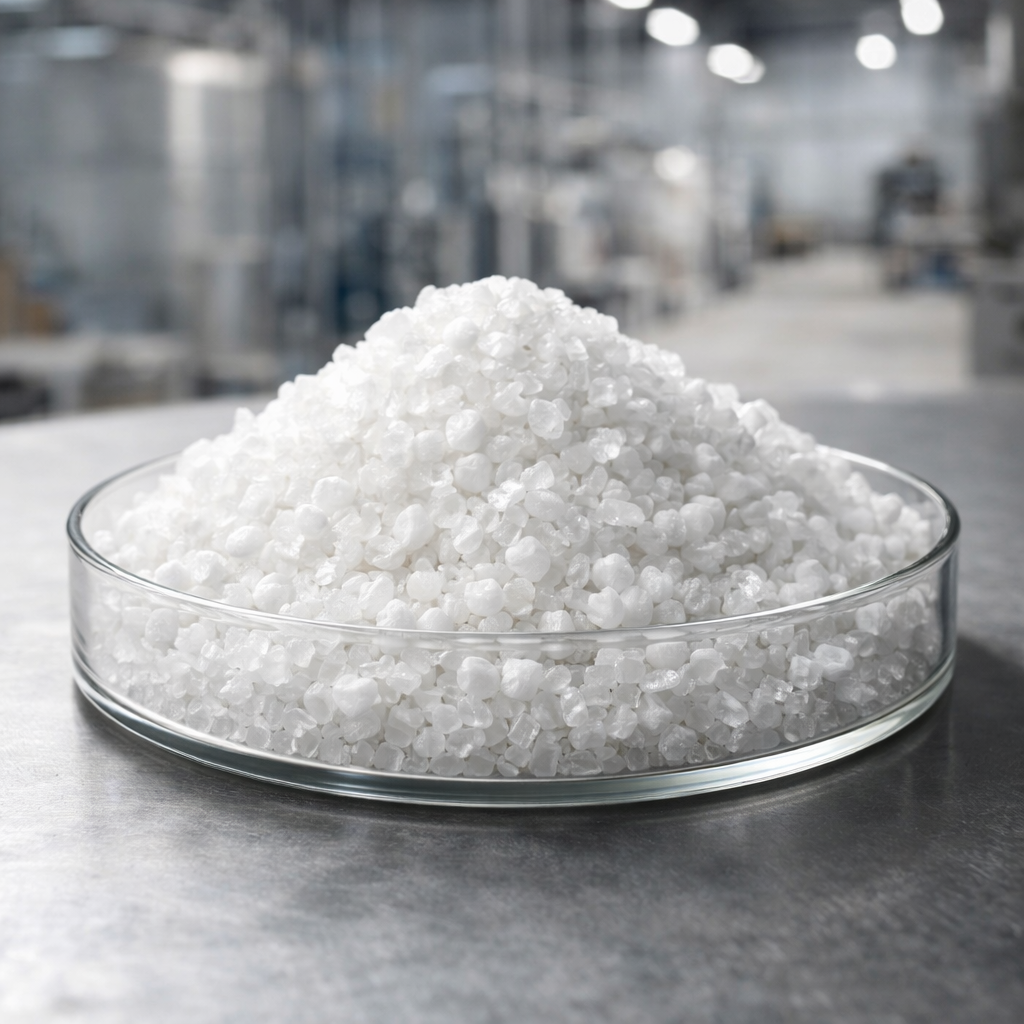
Calcium chloride is commonly available in flakes, pellets, granules, powder, and liquid solution forms, allowing it to be tailored to specific industrial and environmental needs.
Chemical Properties and Characteristics
Calcium Chloride has the chemical formula CaCl₂ and a molecular weight of 110.98 g/mol. It typically appears as white or off-white crystalline solids and is highly hygroscopic, meaning it readily absorbs moisture from the surrounding environment.
Key properties include:
-
Extremely high solubility in water
-
Strong moisture-absorbing (desiccant) behavior
-
Exothermic heat release when dissolved
-
Effective freezing point depression
-
Non-flammable and chemically stable
These properties make CaCl₂ especially effective in temperature control, moisture management, and rapid chemical reactions.
Industrial Applications of Calcium Chloride
1. De-Icing and Anti-Icing
One of the most well-known uses of calcium chloride is road de-icing. Unlike sodium chloride, CaCl₂ works efficiently at very low temperatures, often below −25°C. It releases heat upon dissolving, allowing it to melt ice faster and prevent refreezing. This makes it ideal for highways, airport runways, bridges, and industrial yards.
2. Dust Control
Calcium chloride is widely used for dust suppression on unpaved roads, mining sites, construction areas, and agricultural paths. Its hygroscopic nature attracts moisture from the air, keeping surfaces damp and significantly reducing airborne dust particles.
3. Construction and Concrete Applications
In the construction industry, calcium chloride is used as a concrete accelerator. It shortens setting time, enhances early-stage strength, and improves performance in cold weather conditions. CaCl₂ is also used in cement processing and building materials manufacturing.
4. Oil & Gas Industry
Calcium chloride brine solutions are used in the oil and gas sector for well completion fluids, drilling operations, and pressure control. Its high density and stability make it suitable for demanding subsurface conditions.
Water Treatment and Environmental Uses
Calcium chloride plays an important role in water and wastewater treatment. It helps adjust water hardness, control pH levels, and remove impurities. In wastewater treatment, CaCl₂ is used to improve sludge dewatering and reduce odors.
Environmentally, calcium chloride is often preferred over alternative salts due to its lower application rates and higher efficiency, which helps minimize environmental impact when used responsibly.
Food and Beverage Applications
Food-grade calcium chloride is widely used in the food processing industry as a firming agent, preservative, and electrolyte source.
Common food applications include:
-
Improving firmness in canned fruits and vegetables
-
Cheese production and dairy processing
-
Brewing and beverage mineral adjustment
-
Food preservation and pickling
When produced to food-grade standards, calcium chloride complies with international food safety regulations.
Desiccant and Moisture Control Uses
Due to its powerful moisture-absorbing properties, calcium chloride is widely used as a desiccant in packaging, storage facilities, shipping containers, and industrial environments. It helps prevent moisture damage, corrosion, mold growth, and product degradation during storage and transportation.
Packaging, Storage, and Handling
Calcium chloride is typically supplied in 25 kg or 50 kg bags, jumbo bags, or bulk shipments, as well as liquid solutions in drums or tankers. It should be stored in a cool, dry, and well-ventilated area, protected from moisture exposure.
Proper packaging with inner liners is essential to prevent caking and ensure product stability during long-distance export and storage.
Global Market Demand and Trade
Global demand for calcium chloride continues to grow, driven by expanding infrastructure projects, increased mining and oil activities, urban development, and stricter dust and ice control regulations. Major markets include Asia, North America, Europe, the Middle East, and Africa.
High-purity and application-specific grades of calcium chloride are especially in demand for industrial processing, environmental management, and export-oriented supply chains.
Conclusion
Calcium Chloride (CaCl₂) is a highly efficient and multifunctional chemical compound essential to modern industry and infrastructure. Its superior moisture absorption, rapid ice-melting capability, and broad industrial applications make it a valuable solution for de-icing, dust control, construction, water treatment, food processing, and oil & gas operations. With its proven performance, economic benefits, and adaptability across industries, calcium chloride remains a key chemical in global trade and industrial development.


There are no reviews yet.