
Chlorine Gas Cylinders: Properties, Uses, Safety, and Industrial Importance
Chlorine gas cylinders play a critical role in global water treatment, sanitation, chemical manufacturing, and industrial processing. Chlorine (Cl₂) is a highly effective disinfectant and oxidizing agent, widely recognized for its ability to eliminate bacteria, viruses, and harmful microorganisms. Supplied in pressurized steel cylinders, chlorine gas remains one of the most reliable and cost-effective solutions for large-scale disinfection and industrial chemical applications.
What Is Chlorine Gas?
Chlorine gas is a greenish-yellow, pungent-smelling chemical element belonging to the halogen group. It is typically produced through the electrolysis of sodium chloride (salt) solutions and is stored and transported as a liquefied gas under pressure. Due to its strong oxidizing properties, chlorine is extensively used in water purification, wastewater treatment, and industrial synthesis.
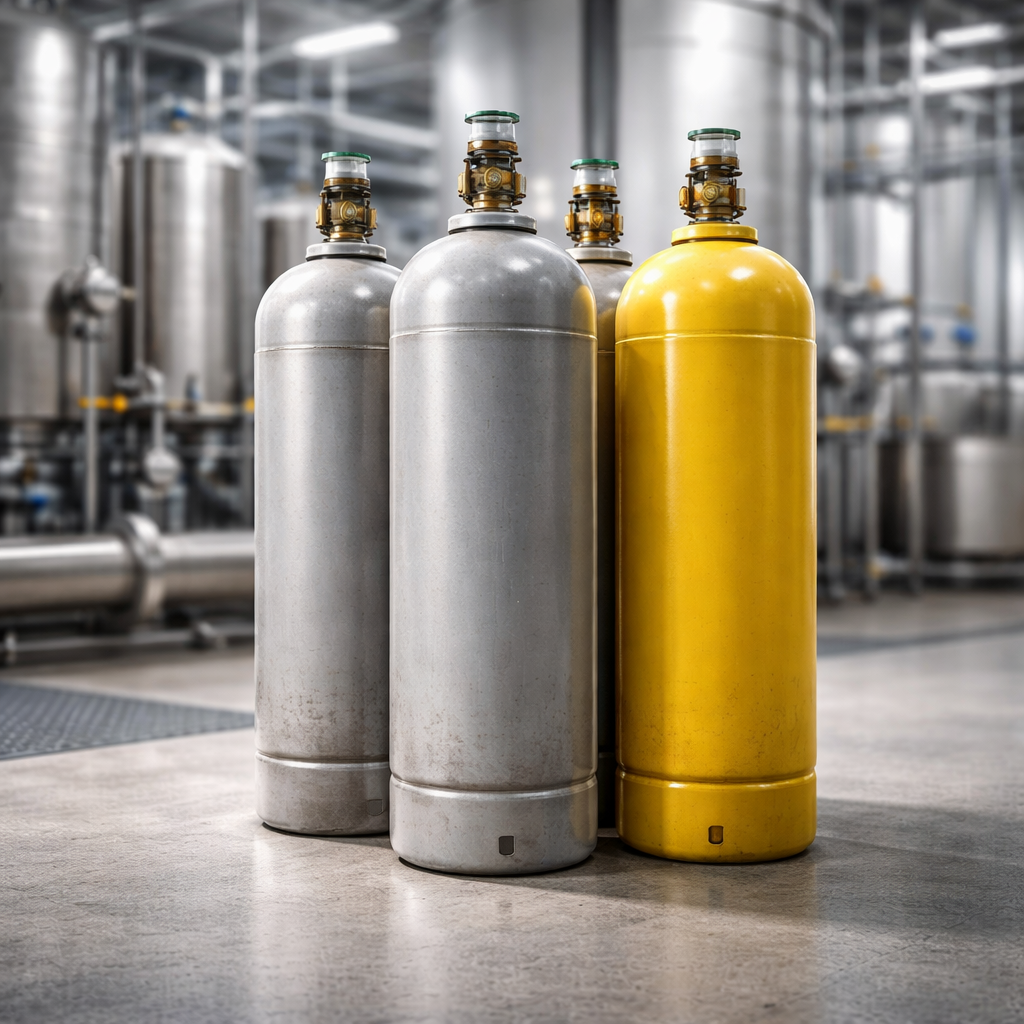
Chlorine gas is commonly supplied in pressurized steel cylinders designed to meet international safety and transport standards.
Chlorine Gas Cylinders and Packaging Formats
Chlorine gas is packaged in specially engineered cylinders that ensure safe storage, handling, and transportation. Common cylinder sizes include:
-
50 kg chlorine gas cylinders
-
65 kg chlorine gas cylinders
-
100 kg chlorine gas cylinders
-
500 kg and 1-ton chlorine containers (for large industrial users)
These cylinders are manufactured from high-strength carbon steel and fitted with certified valves and safety caps. They are designed to withstand pressure, temperature variations, and long-distance transport, making them suitable for both domestic use and international export.
Key Properties of Chlorine Gas
Chlorine gas has several important characteristics that define its industrial value:
-
Appearance: Greenish-yellow gas
-
Odor: Strong, sharp, and irritating
-
Solubility: Moderately soluble in water
-
Reactivity: Strong oxidizing agent
-
Disinfection efficiency: Highly effective against bacteria, viruses, and algae
These properties make chlorine gas indispensable in sanitation, chemical processing, and public health protection.
Major Applications of Chlorine Gas Cylinders
1. Water Treatment and Disinfection
The largest use of chlorine gas cylinders is in municipal and industrial water treatment systems. Chlorine is used to disinfect drinking water, swimming pools, and wastewater by destroying harmful microorganisms. It provides long-lasting residual protection in water distribution networks, ensuring water safety from treatment plants to end users.
2. Wastewater Treatment
In wastewater facilities, chlorine gas is used for effluent disinfection before discharge into the environment. It helps control pathogens, odors, and biological contamination, supporting environmental compliance and public health standards.
3. Industrial and Chemical Manufacturing
Chlorine gas is a key raw material in the chemical industry. It is used in the production of chemicals such as hydrochloric acid, PVC (polyvinyl chloride), chlorinated solvents, pesticides, and disinfectants. Chlorine cylinders allow precise dosing and controlled usage in industrial processes.
4. Pulp and Paper Industry
In pulp and paper manufacturing, chlorine and chlorine-based compounds are used for bleaching processes to improve paper brightness and quality. Although modern processes increasingly use chlorine derivatives, chlorine gas remains an important industrial input.
5. Food and Beverage Sanitation
Chlorine gas is used for equipment and water sanitation in food and beverage processing plants. It helps maintain hygiene standards and prevents microbial contamination when applied in controlled and regulated systems.
Handling, Storage, and Safety Considerations
Chlorine gas is hazardous and must be handled with strict safety measures. Cylinders should be stored in a cool, dry, well-ventilated area away from direct sunlight and incompatible chemicals. Proper securing of cylinders prevents tipping or damage.
Operators should use appropriate personal protective equipment (PPE) such as gloves, masks, and eye protection. Facilities handling chlorine gas should be equipped with gas detection systems and emergency response procedures. When handled correctly by trained personnel, chlorine gas can be used safely and effectively in industrial environments.
Regulatory Compliance and Quality Standards
Chlorine gas cylinders are manufactured and supplied in compliance with international standards and regulations, including pressure vessel requirements and hazardous material transport rules. Export shipments are typically accompanied by documentation such as:
-
Certificate of Analysis (COA)
-
Material Safety Data Sheet (MSDS)
-
Cylinder inspection and test certificates
-
Packing lists and shipping documents
These ensure product quality, safety, and regulatory compliance across global markets.
Global Market Demand and Outlook
Global demand for chlorine gas cylinders continues to grow, driven by increasing investments in water treatment infrastructure, urbanization, and industrial expansion. Developing regions are expanding municipal water systems, while industries worldwide rely on chlorine for manufacturing and sanitation.
Despite the development of alternative disinfectants, chlorine remains a preferred choice due to its proven effectiveness, affordability, and residual disinfection capability.
Conclusion
Chlorine gas cylinders are an essential component of modern water treatment, sanitation, and industrial chemical processes. Their effectiveness in disinfection, versatility in industrial applications, and cost-efficient performance make chlorine gas a cornerstone of global public health and manufacturing systems.
For municipalities, industries, and chemical processors seeking reliable disinfection and industrial solutions, chlorine gas supplied in certified cylinders continues to be a trusted and indispensable resource worldwide.


There are no reviews yet.