
Citric Acid: A Versatile Organic Acid for Food, Pharmaceutical, and Industrial Applications
Citric acid is one of the most widely used organic acids in the global market, valued for its versatility, safety, and effectiveness across multiple industries. Naturally occurring in citrus fruits such as lemons and oranges, citric acid is commercially produced through fermentation processes to meet large-scale industrial demand. Today, it plays a critical role in the food and beverage, pharmaceutical, cosmetic, detergent, and industrial sectors.
Thanks to its excellent chelating, buffering, preservative, and flavor-enhancing properties, citric acid remains a preferred ingredient for manufacturers worldwide.
What Is Citric Acid?
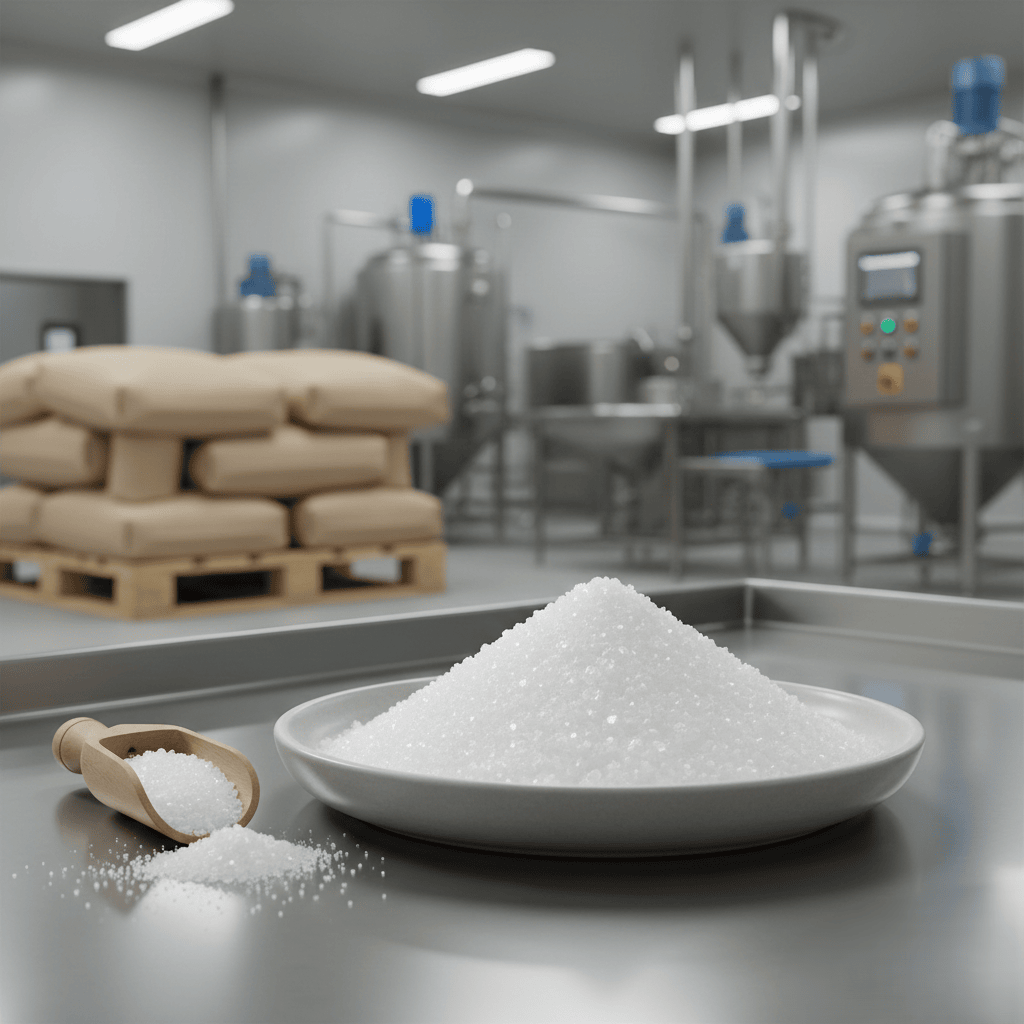
Citric acid (chemical formula C₆H₈O₇) is a weak organic acid that appears as a white, crystalline powder with a clean, sour taste. It is highly soluble in water and has strong metal-binding (chelating) properties, making it effective in both consumable and technical applications.
Commercial citric acid is typically derived from fermentation of carbohydrates such as corn or sugar using food-grade microorganisms. This process ensures consistent purity and compliance with international quality standards.
Types and Grades of Citric Acid
Citric acid is available in different forms and grades to suit various applications:
1. Citric Acid Monohydrate
Contains one molecule of water and is commonly used in:
-
Food and beverage products
-
Pharmaceuticals
-
Cosmetics
2. Citric Acid Anhydrous
A water-free form preferred in:
-
Dry formulations
-
Detergents and cleaners
-
Industrial blends
3. Grades Available
-
Food Grade – compliant with FCC, E330, USP standards
-
Pharmaceutical Grade – used in medicines and supplements
-
Industrial Grade – used in cleaning, water treatment, and manufacturing
Key Applications of Citric Acid
Food and Beverage Industry
Citric acid is widely used as:
-
An acidulant to enhance flavor
-
A preservative to extend shelf life
-
A pH regulator in beverages, candies, jams, sauces, and dairy products
Its natural origin and safety profile make it ideal for clean-label and health-focused products.
Pharmaceutical Industry
In pharmaceuticals, citric acid is used to:
-
Improve taste in syrups and tablets
-
Act as a buffering agent
-
Enhance solubility of active ingredients
It is commonly found in effervescent tablets, oral solutions, and nutritional supplements.
Cosmetics and Personal Care
Citric acid helps:
-
Adjust pH levels in creams and lotions
-
Improve product stability
-
Provide mild exfoliating properties
It is frequently used in shampoos, skincare formulations, and hygiene products.
Detergents and Cleaning Products
Due to its chelating ability, citric acid is effective in:
-
Removing limescale and mineral deposits
-
Enhancing cleaning efficiency
-
Acting as an eco-friendly alternative to harsh chemicals
Industrial and Technical Uses
Citric acid is also applied in:
-
Water treatment
-
Metal cleaning and surface treatment
-
Textile and leather processing
-
Chemical manufacturing
Key Benefits of Citric Acid
-
Natural and biodegradable
-
Non-toxic and safe for consumption
-
Excellent chelating and buffering properties
-
Improves product stability and shelf life
-
Compatible with a wide range of formulations
-
Environmentally friendly compared to synthetic acids
These advantages make citric acid a sustainable and cost-effective solution for global manufacturers.
Packaging and Supply Options
Citric acid is typically supplied in:
-
25 kg kraft paper bags with inner PE liner
-
Jumbo bags for bulk industrial use
-
Customized packaging for private-label or export requirements
It is suitable for FCL and LCL shipments, ensuring flexibility for both small and large-volume buyers.
Quality Standards and Compliance
High-quality citric acid complies with international standards such as:
-
FCC (Food Chemicals Codex)
-
USP / BP
-
E330
-
ISO-certified manufacturing
Certificates commonly available include:
-
Certificate of Analysis (COA)
-
Material Safety Data Sheet (MSDS)
-
Product Specification Sheet
Global Demand and Market Outlook
The global citric acid market continues to grow steadily, driven by:
-
Rising demand for processed foods and beverages
-
Increased use of eco-friendly cleaning products
-
Expansion of pharmaceutical and nutraceutical industries
Emerging markets in Africa, the Middle East, Asia, and Latin America are contributing significantly to global consumption, making citric acid a high-demand commodity in international trade.
Conclusion
Citric acid is a highly versatile, safe, and essential organic acid used across numerous industries worldwide. Its multifunctional properties, natural origin, and wide regulatory acceptance make it a preferred choice for manufacturers seeking quality, efficiency, and sustainability.
Whether used in food production, pharmaceuticals, cosmetics, or industrial applications, citric acid continues to play a vital role in modern manufacturing and global supply chains.



There are no reviews yet.