

Hydrochloric Acid (HCl): Properties, Uses, Applications, and Industrial Importance
Hydrochloric Acid (HCl) is one of the most widely used inorganic acids in the global chemical industry. Known for its strong acidity, high reactivity, and versatility, hydrochloric acid plays a vital role in water treatment, chemical manufacturing, metal processing, food processing, pharmaceuticals, and numerous industrial applications. Its reliability, availability, and cost-effectiveness make it an essential chemical across both developed and emerging markets.
What Is Hydrochloric Acid?
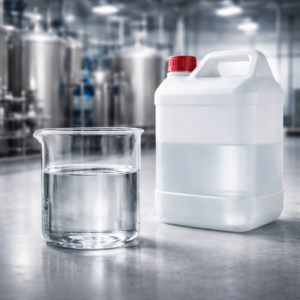
Hydrochloric acid is a clear, colorless to slightly yellow aqueous solution of hydrogen chloride gas dissolved in water. Chemically represented as HCl, it is classified as a strong mineral acid with a sharp, pungent odor and highly corrosive nature.
Industrially, hydrochloric acid is produced as a primary product or as a by-product of various chemical processes, including chlorination reactions. It is supplied in different concentrations depending on application requirements.
Key Physical and Chemical Properties
Hydrochloric acid exhibits several characteristics that define its industrial value:
-
Chemical Formula: HCl
-
Appearance: Clear, colorless to pale yellow liquid
-
Odor: Sharp, pungent
-
pH: Strongly acidic
-
Solubility: Completely miscible with water
-
Reactivity: Highly reactive with metals, bases, and salts
These properties allow hydrochloric acid to function effectively as a cleaning agent, pH regulator, catalyst, and chemical reactant.
Major Applications of Hydrochloric Acid
1. Water Treatment and pH Control
Hydrochloric acid is extensively used in municipal and industrial water treatment systems to control pH levels. It neutralizes alkaline water, removes scale, and improves the efficiency of disinfection processes. HCl is commonly applied in swimming pools, desalination plants, and wastewater treatment facilities.
2. Chemical Manufacturing
Hydrochloric acid is a key raw material in the production of numerous chemicals, including chlorides, fertilizers, dyes, pigments, and pharmaceuticals. It is also used as a catalyst and intermediate in organic and inorganic synthesis.
3. Metal Processing and Pickling
One of the largest industrial uses of hydrochloric acid is in steel pickling and metal surface treatment. HCl effectively removes rust, scale, and oxide layers from steel before further processing such as galvanizing, plating, or coating.
4. Food and Beverage Industry
Food-grade hydrochloric acid is used for pH adjustment, starch modification, sugar processing, and production of food additives. When supplied according to food safety standards, it plays a controlled and regulated role in food manufacturing.
5. Oil and Gas Industry
In oil and gas operations, hydrochloric acid is used for well acidizing to dissolve rock formations and improve oil and gas flow. Its effectiveness and fast reaction rate make it a preferred acid for stimulation treatments.
6. Pharmaceutical and Laboratory Use
Hydrochloric acid is widely used in pharmaceutical manufacturing, laboratories, and research facilities for chemical reactions, testing, and analytical procedures.
Packaging and Supply Formats
Hydrochloric acid is supplied in various concentrations and packaging formats depending on customer requirements:
-
HDPE drums
-
IBC tanks
-
Bulk tankers
Export-grade packaging, secure sealing, and full documentation such as COA, MSDS, and Technical Data Sheets are standard for international trade.
Handling, Storage, and Safety
Hydrochloric acid is corrosive and must be handled with appropriate safety measures. Storage should be in corrosion-resistant containers, away from incompatible materials such as oxidizers and metals.
Personal protective equipment (PPE), including gloves, goggles, and protective clothing, is essential during handling. Proper ventilation and spill management procedures should always be in place.
Global Market Demand and Outlook
Global demand for hydrochloric acid continues to grow due to expanding industrial activity, water treatment infrastructure, and chemical manufacturing. Its broad applicability and essential role in industrial processes ensure consistent demand across global markets.
Conclusion
Hydrochloric acid is a critical industrial chemical with applications spanning water treatment, metal processing, chemical manufacturing, food processing, oil and gas, and pharmaceuticals. Its strong acidity, versatility, and cost efficiency make it indispensable in modern industrial supply chains.
For industries seeking reliable acid solutions with consistent quality and performance, hydrochloric acid remains a trusted and essential chemical worldwide.

There are no reviews yet.