

BUY METHANOL IN BULK | METHANOL SUPPLIERS WORLDWIDE
Methanol (chemical formula CH₃OH) is the simplest form of alcohol and one of the most important base chemicals in the global chemical industry. Also known as methyl alcohol, wood alcohol, or carbinol, methanol is a clear, colorless, volatile and flammable liquid with a mild odor resembling ethanol. It plays a critical role in fuel production, chemical synthesis, pharmaceuticals, paints, plastics, construction materials and industrial solvents.
As global demand for alternative fuels, chemical intermediates and industrial solvents continues to grow, methanol remains one of the most traded petrochemical products worldwide.
If you are looking to buy methanol in bulk from reliable global suppliers, understanding its production, properties and applications will help you choose the right source and specification for your business.
WHAT IS METHANOL?
Methanol is a light alcohol with strong industrial relevance and limited consumer usability due to its toxic nature. Unlike ethanol, methanol is not safe for human consumption. However, it is indispensable for industrial, energy and manufacturing use worldwide.
Chemically, methanol consists of:
-
One carbon atom
-
Four hydrogen atoms
-
One oxygen atom
This simple molecular structure explains why methanol burns cleanly and reacts easily in chemical manufacturing processes.
When methanol is burned, it reacts with oxygen to produce carbon dioxide and water:
2 CH₃OH + 3 O₂ → 2 CO₂ + 4 H₂O
Methanol flames are nearly invisible in daylight, making safety precautions critical during handling and storage.
HOW METHANOL IS PRODUCED
Modern methanol production is based on natural gas reforming and synthesis gas processing. Natural gas (mainly methane) is reacted with steam under high temperature to create synthesis gas (a mixture of hydrogen and carbon monoxide). This gas mixture is then catalytically converted into methanol.
Main Industrial Process:
-
Steam-Methane Reforming (SMR):
Methane reacts with steam to produce hydrogen and carbon monoxide. -
Autothermal Reforming (ATR):
Partial oxidation provides additional heat for efficiency. -
Methanol Synthesis:
Carbon monoxide and hydrogen react under pressure using advanced copper-based catalysts. -
CO₂ Injection (Optional):
Carbon dioxide is converted into methanol to improve yield and reduce emissions.
Although natural gas is the most efficient feedstock, methanol is also produced from:
-
Coal (South Africa, China)
-
Petroleum products
-
Biomass and industrial waste gas
HISTORY AND DEVELOPMENT
Methanol was originally derived through wood distillation centuries ago, hence the term wood alcohol. Ancient civilizations unknowingly produced methanol during wood heating processes. The first scientific isolation of pure methanol occurred in 1661 by Robert Boyle.
In the early 20th century, chemical companies such as BASF developed methods for synthesizing methanol directly from carbon monoxide and hydrogen under high pressure. Over time, catalyst technology allowed production at lower temperatures and improved efficiency.
Today, methanol production is a highly optimized industrial process used across energy, chemical and material manufacturing sectors.
INDUSTRIAL AND COMMERCIAL USES OF METHANOL
Methanol is a multi-purpose industrial chemical used across a wide range of industries:
1. Fuel and Energy
-
Alternative fuel for engines
-
Component in gasoline blending
-
Used in power generation applications
-
Fuel-grade methanol for racing and specialty engines
-
Feedstock for hydrogen and fuel cells
2. Biodiesel Manufacturing
Methanol is a critical component in transesterification, the process used to produce biodiesel from vegetable oils and animal fats. Without methanol, modern biodiesel production would not be commercially viable.
3. Chemical Manufacturing
Methanol is a base raw material for:
-
Formaldehyde
-
Acetic acid
-
MTBE
-
Dimethyl ether (DME)
-
Plastics and resins
-
Explosives and pharmaceuticals
4. Solvent and Industrial Cleaning
Due to its solvent strength, methanol is widely used in:
-
Paint and coatings
-
Adhesives
-
Varnishes
-
Cleaning solutions
-
Printing inks
5. Anti-freeze & Windshield Fluids
Methanol is commonly used in:
-
Automotive de-icing fluids
-
Cooling agents
-
Cold-weather additives
SAFETY AND HANDLING
Methanol is toxic and flammable and must always be handled with strict safety protocols. Human exposure through ingestion, inhalation or skin contact can lead to serious health effects.
Safe handling includes:
-
Fire-proof storage
-
Ventilated facilities
-
Chemical-grade containers
-
Compliance with MSDS guidelines
-
Proper transport labeling
For industrial use, methanol is often added to ethanol as a denaturant to prevent misuse and eliminate beverage tax classifications.
GLOBAL METHANOL SUPPLY MARKET
Methanol suppliers operate worldwide with major production hubs in:
-
Middle East
-
China
-
United States
-
Russia
-
Southeast Asia
-
Africa
Global methanol demand is driven by:
-
Fuel applications
-
Chemical exports
-
Growing biodiesel production
-
Automotive sector
-
Construction and coatings industries
As international supply chains expand, buyers increasingly require:
-
Reliable logistics
-
Consistent specifications
-
Competitive pricing
-
Safety documentation
-
Bulk packaging options
BUY BULK METHANOL WITH CONFIDENCE
Choosing the right methanol supplier is essential. A reliable supplier should provide:
✅ Industrial-grade or fuel-grade methanol
✅ Technical data sheets (TDS)
✅ Safety data sheets (MSDS)
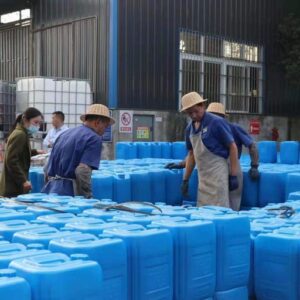
✅ Bulk packaging (drums, ISO tanks, tank trucks)
✅ Export documentation
✅ Reliable logistics and customs support
Whether your business operates in fuel blending, chemicals, energy, coatings or biofuels, sourcing from experienced global suppliers ensures continuity, safety and long-term stability.
CONCLUSION
Methanol remains one of the most versatile and commercially important chemicals in the world. From fuel and biodiesel to pharmaceuticals and plastics, it continues to power modern industry at scale.
If you are searching for trusted methanol suppliers worldwide, focus on product quality, logistics capability and compliance standards to secure long-term value and dependable supply.

There are no reviews yet.