
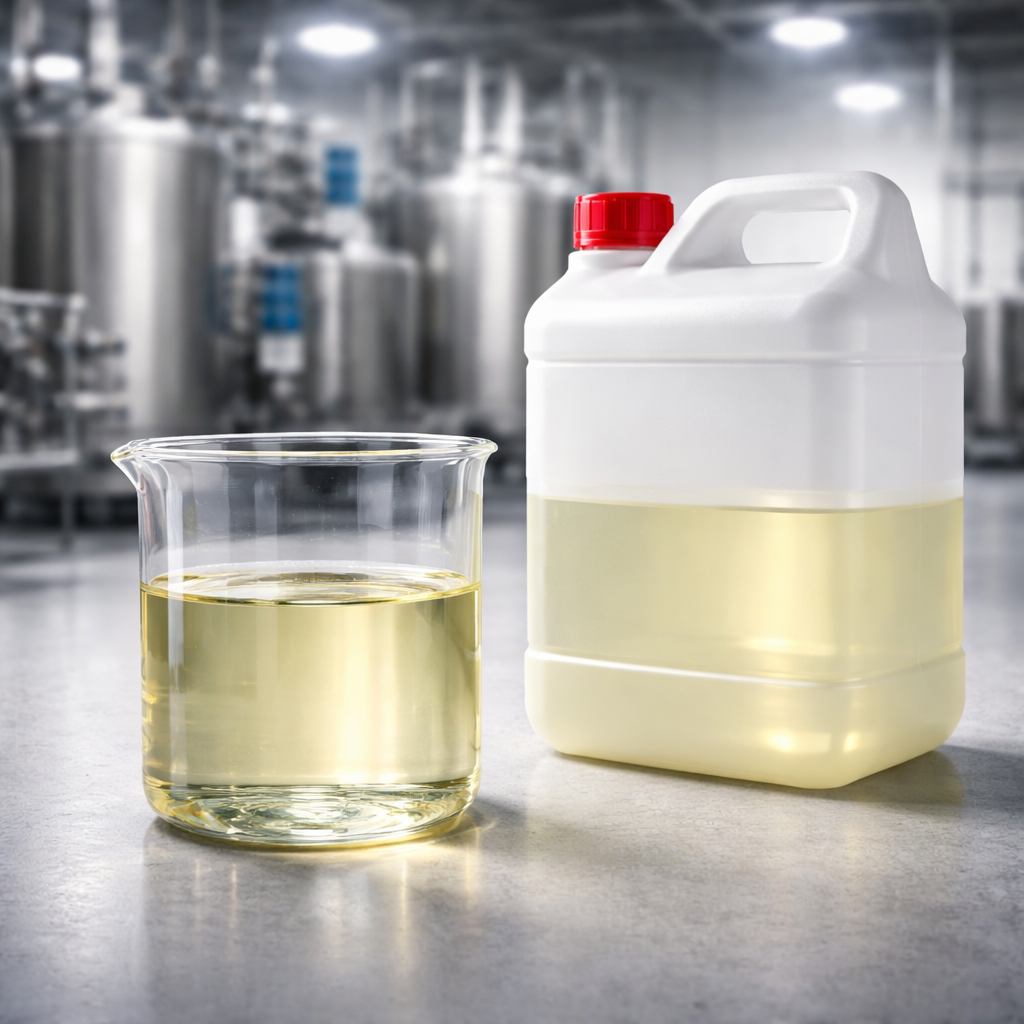
Nitric Acid: Properties, Uses, Applications, and Industrial Importance
Nitric Acid (HNO₃) is one of the most important inorganic acids used in modern industry. Known for its strong oxidizing properties and high reactivity, nitric acid plays a critical role in fertilizer production, chemical manufacturing, metal processing, explosives, water treatment, and laboratory applications. Its versatility, efficiency, and industrial significance make nitric acid a cornerstone chemical in global supply chains.
What Is Nitric Acid?
Nitric acid is a strong mineral acid composed of nitrogen, hydrogen, and oxygen, with the chemical formula HNO₃. It appears as a clear, colorless to pale yellow liquid with a sharp, pungent odor. The yellow tint often results from dissolved nitrogen dioxide (NO₂), a by-product of decomposition.
Industrially, nitric acid is produced through the Ostwald process, where ammonia is oxidized to nitrogen oxides and then absorbed in water. It is supplied in various concentrations depending on application requirements.
Key Physical and Chemical Properties
Nitric acid has several defining properties that determine its industrial use:
-
Chemical Formula: HNO₃
-
Appearance: Clear to pale yellow liquid
-
Odor: Sharp, choking
-
Acidity: Strong acid
-
Oxidizing Power: Very high
-
Solubility: Completely miscible with water
These characteristics allow nitric acid to function as a powerful reactant, oxidizer, and nitrating agent in numerous chemical processes.
Major Applications of Nitric Acid
1. Fertilizer Manufacturing
The largest global use of nitric acid is in the production of ammonium nitrate fertilizers. Nitric acid reacts with ammonia to produce ammonium nitrate, an essential nitrogen-based fertilizer used extensively in agriculture to improve crop yields.
2. Chemical Manufacturing
Nitric acid is a key raw material in the manufacture of dyes, pigments, plastics, pharmaceuticals, and specialty chemicals. It is also used in nitration reactions to produce nitro compounds, which are intermediates in many industrial products.
3. Metal Processing and Surface Treatment
In metal industries, nitric acid is used for pickling, cleaning, and passivation of stainless steel and other alloys. It removes scale, oxides, and impurities from metal surfaces, improving corrosion resistance and finish quality.
4. Explosives and Mining Applications
Nitric acid is a critical component in the production of explosives such as TNT, nitroglycerin, and ammonium nitrate–based blasting agents. These materials are widely used in mining, quarrying, and infrastructure development.
5. Water Treatment and Industrial Cleaning
Nitric acid is used for pH control, descaling, and cleaning in industrial water systems, boilers, and heat exchangers. Its strong acidity helps dissolve mineral deposits and scale buildup.
6. Laboratory and Pharmaceutical Use
Nitric acid is commonly used in laboratories for chemical analysis, sample digestion, and research applications. In pharmaceutical manufacturing, it serves as a reagent and intermediate under controlled conditions.
Packaging and Supply Formats
Nitric acid is supplied in corrosion-resistant packaging to ensure safety and product integrity, including:
-
HDPE drums
-
IBC tanks
-
Bulk tankers
For export and industrial supply, full documentation such as COA, MSDS, and Technical Data Sheets is provided in compliance with international regulations.
Handling, Storage, and Safety
Nitric acid is highly corrosive and a strong oxidizer, requiring strict safety precautions. It should be stored in compatible containers away from organic materials, reducing agents, and direct heat.
Personal protective equipment (PPE), proper ventilation, and emergency spill procedures are essential during handling. When managed by trained professionals, nitric acid can be used safely and effectively in industrial environments.
Global Market Demand and Outlook
Global demand for nitric acid continues to grow due to rising fertilizer consumption, industrial expansion, mining activities, and chemical manufacturing. Developing economies are driving increased usage as agricultural productivity and infrastructure development expand.
Despite strict handling requirements, nitric acid remains indispensable due to its unmatched chemical performance and wide application range.
Conclusion
Nitric acid is a vital industrial chemical with applications spanning fertilizers, chemicals, metals, explosives, water treatment, and laboratories. Its strong oxidizing power, reactivity, and reliability make it essential in modern industrial processes.
For industries requiring consistent quality, performance, and regulatory compliance, nitric acid remains a trusted and globally demanded chemical.

There are no reviews yet.