
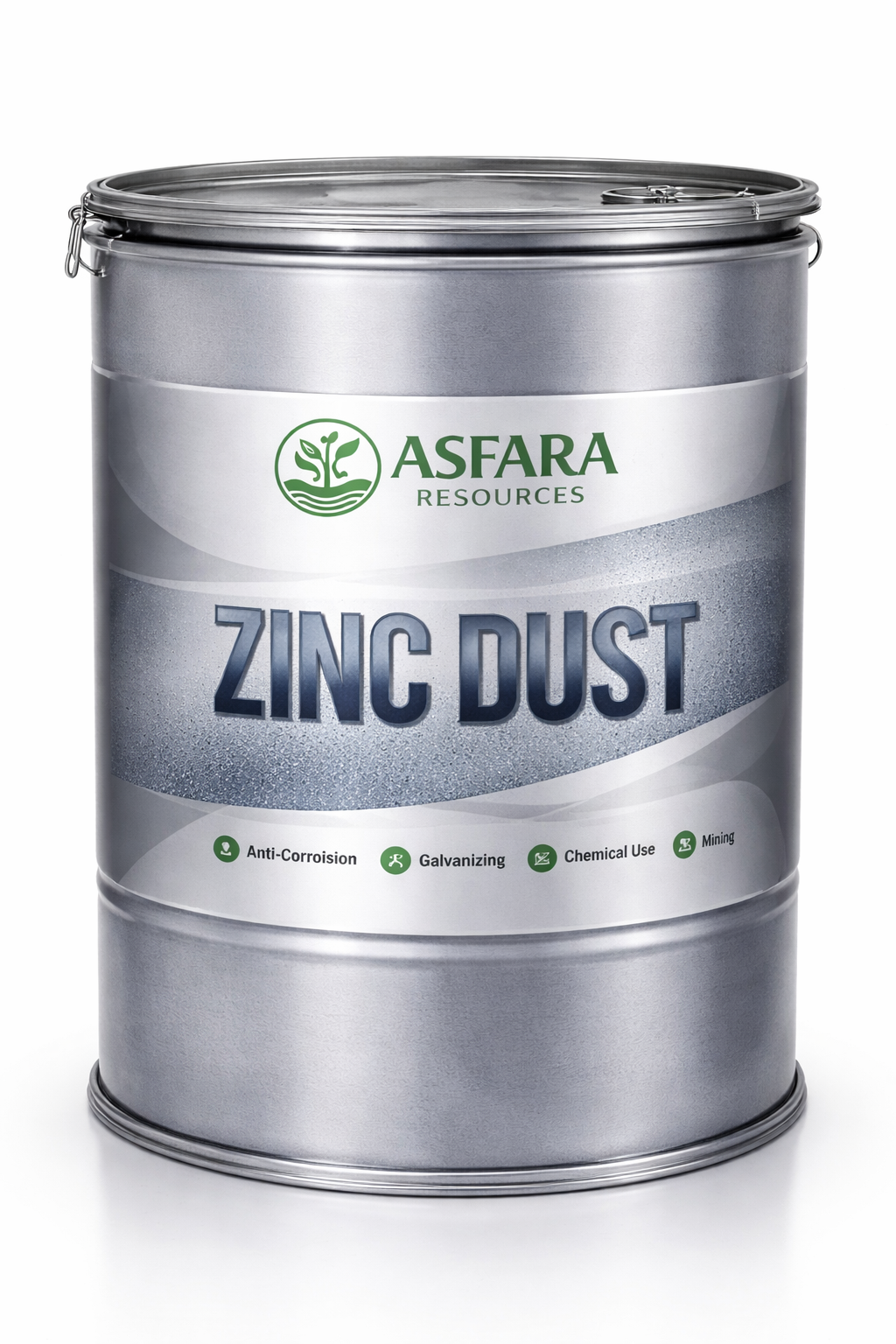
Zinc Dust: Properties, Uses, Applications, and Industrial Importance
Zinc Dust is a fine, metallic zinc powder widely used across industrial sectors due to its excellent corrosion protection, chemical reactivity, and electrochemical properties. It plays a critical role in protective coatings, galvanizing processes, chemical manufacturing, mining, metallurgy, and battery production. Thanks to its high purity, uniform particle size, and reliable performance, zinc dust is a key raw material in modern industrial supply chains.
What Is Zinc Dust?
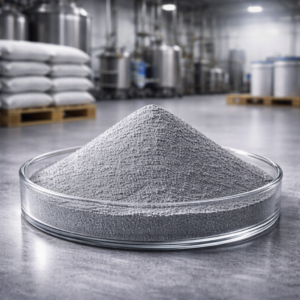
Zinc dust is a finely divided metallic form of zinc, typically produced by vaporizing zinc metal and condensing it into a powder under controlled conditions. It appears as a gray to bluish-gray powder with a metallic sheen and is available in various particle sizes depending on application requirements.
Due to its high surface area and reactivity, zinc dust is especially valued for applications that require fast chemical reactions, sacrificial corrosion protection, and efficient metal bonding.
Key Physical and Chemical Properties of Zinc Dust
Zinc dust exhibits several important properties that define its industrial value:
-
Chemical Symbol: Zn
-
Appearance: Gray to bluish-gray metallic powder
-
Purity: Typically ≥ 98%
-
Particle Size: Fine and uniform
-
Melting Point: High (metallic zinc)
-
Reactivity: Highly reactive due to large surface area
These properties allow zinc dust to function effectively as a corrosion inhibitor, reducing agent, sacrificial anode, and metallurgical additive.
Major Applications of Zinc Dust
1. Anti-Corrosive Paints and Coatings
One of the largest applications of zinc dust is in zinc-rich paints and protective coatings. When applied to steel surfaces, zinc dust provides cathodic (sacrificial) protection, preventing rust and extending the lifespan of structures such as bridges, pipelines, tanks, and marine equipment.
2. Galvanizing and Metal Protection
Zinc dust is widely used in cold galvanizing compounds and repair coatings. It restores corrosion protection on damaged galvanized surfaces without the need for hot-dip galvanizing.
3. Chemical Manufacturing
In chemical processing, zinc dust is used as a reducing agent in organic and inorganic reactions. It is commonly applied in the production of dyes, pigments, pharmaceuticals, and specialty chemicals.
4. Mining and Metallurgy
Zinc dust plays a vital role in precious metal recovery, particularly in the cementation process for gold and silver extraction (e.g., Merrill–Crowe process). Its high reactivity allows efficient metal precipitation from solutions.
5. Battery and Energy Applications
Zinc dust is used in primary batteries and energy storage systems, where its electrochemical properties support efficient energy release and conductivity.
6. Pigments and Industrial Formulations
Zinc dust is incorporated into pigments, sealants, adhesives, and industrial formulations that require enhanced durability, conductivity, or corrosion resistance.
Forms, Packaging, and Supply of Zinc Dust
Zinc dust is supplied as a fine powder with controlled particle size distribution. Typical packaging options include:
-
25 kg bags
-
50 kg bags
-
Steel drums
-
Jumbo bags
Export-grade shipments are supported with full documentation such as Certificate of Analysis (COA), MSDS, and Technical Data Sheets, ensuring regulatory compliance and quality assurance.
Handling, Storage, and Safety
Zinc dust should be handled with care due to its fine particle size and reactivity. It must be stored in a dry, cool, and well-ventilated area, away from moisture, acids, and strong oxidizers. Dust control measures and appropriate personal protective equipment (PPE) are recommended during handling.
Global Market Demand and Outlook
Global demand for zinc dust continues to grow due to increasing infrastructure development, demand for corrosion protection, expansion of mining activities, and growth in industrial manufacturing. Its importance in protective coatings and metal recovery ensures stable long-term demand across international markets.
Conclusion
Zinc dust is a highly versatile and essential industrial material with applications spanning anti-corrosive coatings, galvanizing, chemical manufacturing, mining, batteries, and metallurgy. Its high purity, reactivity, and corrosion-resistant properties make it a vital component of modern industrial operations.
For industries seeking reliable performance and long-term protection, zinc dust remains a trusted solution in global supply chains.



There are no reviews yet.